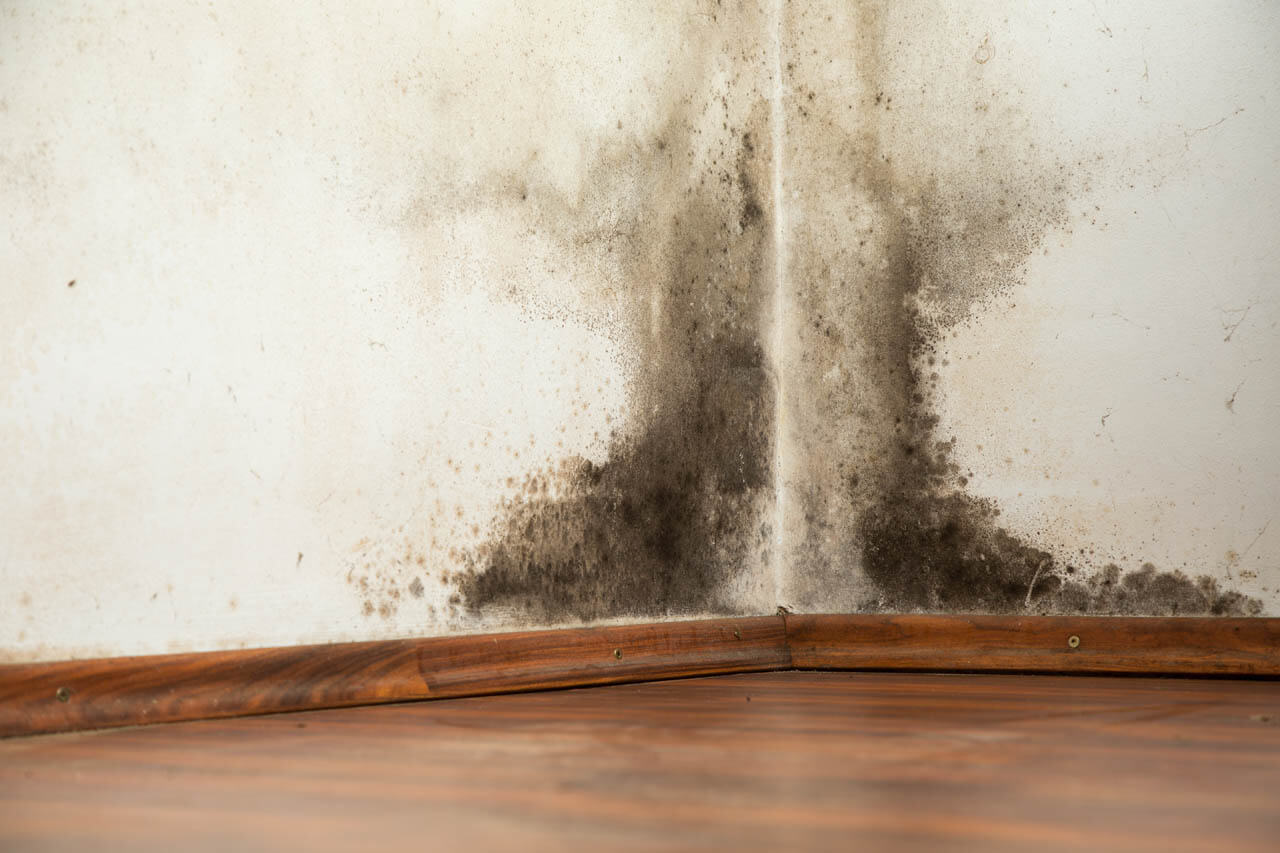
Mold has a purpose in our eco-system, ie. to consume dead organic material. It poses health hazards call us today when it begins growing in indoor environments. Mold gets indoors through open doorways, windows, heating, ventilation and air conditioning systems. Spores in the air outside also attach themselves to clothing, animals, shoes, bags and more!
Commons sources of moisture include the following: flooding; backed-up sewers; leaky roofs and/or water leaks; humidifier which is not regularly cleaned and disinfected; damp basements or crawl spaces; house plants and their debris; steam from cooking and showers; wet clothes hung to dry indoors; inadequate air exchange; excessive humidity; and condensation, which is especially a problem during the winter, on poorly insulated surfaces.
Since mold’s purpose is to break down and consume dead organic material, modern day buildings and homes provide an ample food source because they are constructed using materials that mold loves to feed on: wood & wood products; paper and other paper products like cardboard and wallpaper; leather; fabric and upholstery; grout; painted walls; cement; plaster (drywall); ceiling tiles; insulation materials; and carpet.
There Are 3 Distinct Types of Mold
Mold Fact 4: There Are 3 Distinct Types of Mold
Mold Fact 4: There Are 3 Distinct Types of Mold
Of the 100,000 types of mold that have been identified, the three most common types of mold are:
Allergenic Molds are not usually life-threatening but are most problematic for individuals with allergies or asthma. The challenge is figuring out what mold is triggering the reaction. Children are particularly susceptible to mold allergies.
Pathogenic Molds produce an infection of particular concern if your immune system is weak or compromised. This type of mold can cause hypersensitivity pneumonitis, an acute response resembling bacterial pneumonia. An example is Aspergillus fumigatus, which can grow in the lungs of immune-compromised individuals.
Toxigenic Molds produce mycotoxins that will make anyone sick. Possible reactions include immune suppression and cancer. Mycotoxins are chemical toxins present within or on the surface of the mold spore, which can be inhaled, ingested, or touched. An example of this is aflatoxin, one of the most potent carcinogens known to mankind. Aflatoxin grows on peanuts and grains, and on some other foods.
 Site Title
Leave a comment